A global ADR interview and book project
Judgment in the Room
50 conversations about how experienced dispute-resolution practitioners make difficult judgments.
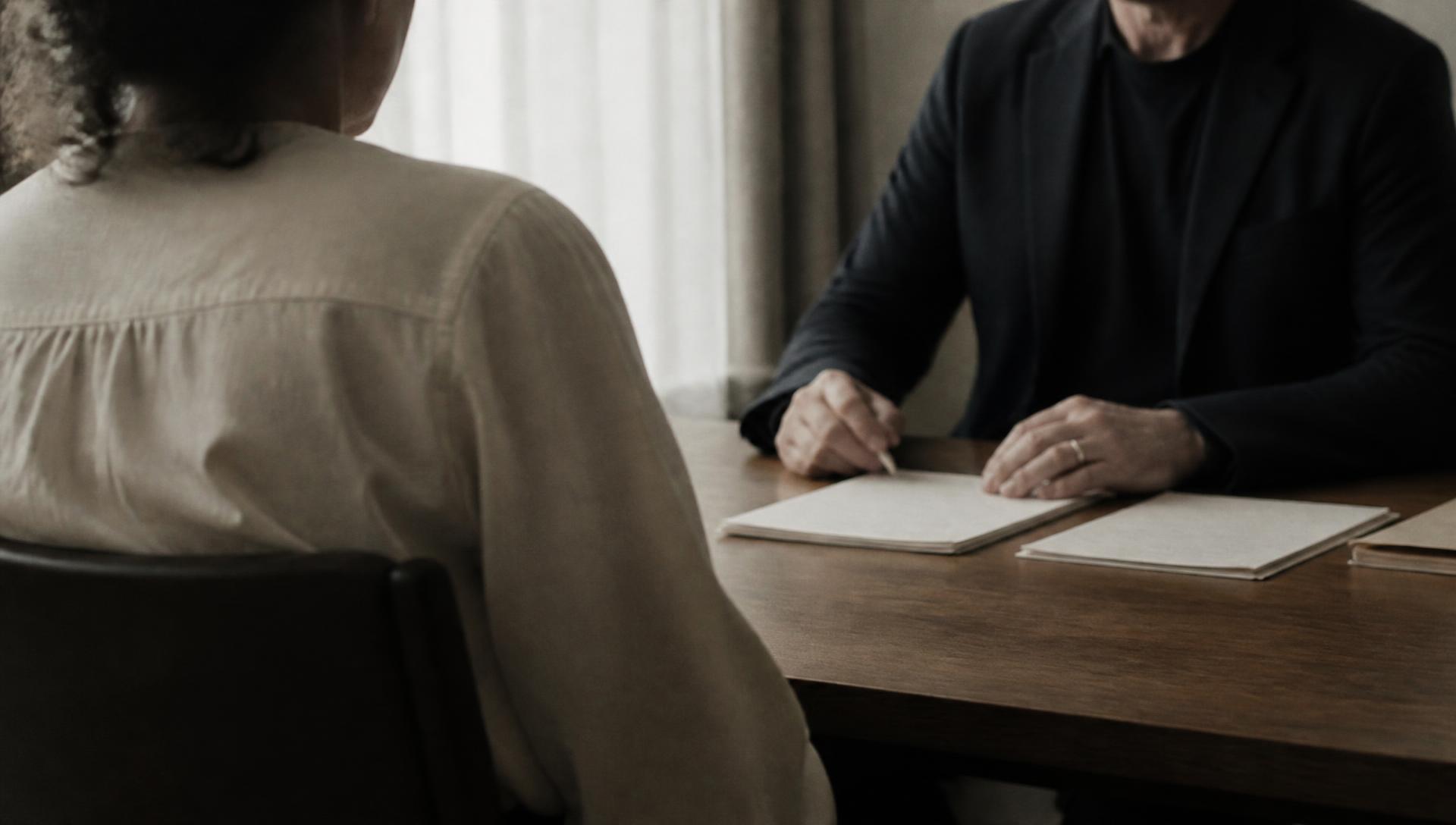
Every experienced practitioner develops a body of knowledge that is difficult to find in textbooks: what to notice, when to intervene, when to wait, how to recognise when a process is genuinely stuck, and when a familiar technique simply does not fit the people or problem in front of you.
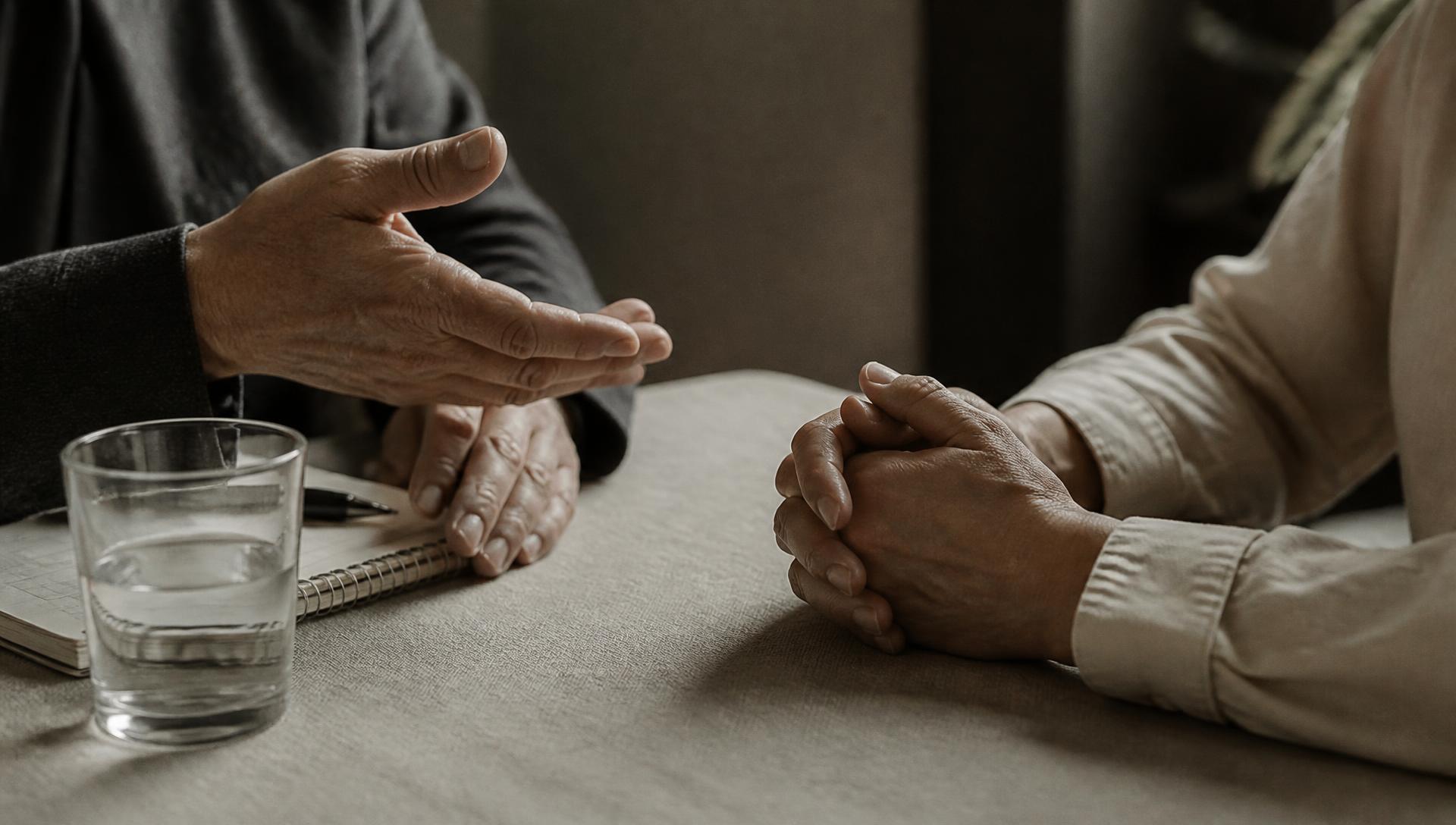
Judgment in the Room is an international book and filmed interview project built around conversations with approximately 50 experienced practitioners across mediation, conciliation, negotiation, facilitation, arbitration and related forms of dispute resolution.
The aim is not to identify a single “best” way to practise. It is to record the reasoning behind difficult professional choices, including the places where highly experienced practitioners legitimately disagree.
Why this project
Knowledge that is rarely recorded
Much of the most valuable knowledge in ADR is tacit. It is developed through years of difficult conversations, mistakes, reflection, supervision and repeated exposure to conflict. It often passes informally from one practitioner to another and much of it is never recorded at all.
This project is an attempt to capture some of that hard won judgment while experienced practitioners are still practising: not only what they do, but what they are noticing, what concerns them, what alternatives they consider and what makes them choose one course over another.
The result will be a thematic book that places practitioner perspectives alongside one another so readers can see patterns, differences, exceptions and the reasoning beneath them.
The project at a glance
- 50 interviews
- A selected international group of experienced ADR practitioners
- Approximately 90 minutes
- A professionally filmed, substantive conversation
- Worldwide
- Interviews arranged around contributors where practicable
- No production cost to contributors
- Filming, production and editing are organised and funded by the project
- Book + companion material
- An edited book supported by longer-form attributed material online
- By invitation
- Contributors selected for the perspective they add to the overall collection
- What does an experienced practitioner notice that an inexperienced practitioner often misses?
- How do you decide when to intervene, when to ask another question and when to remain silent?
- What do you do when the process appears stuck?
- How do power, emotion, dignity, culture and vulnerability change the way you work?
- Where do good practitioners disagree and what explains those differences?
- What mistakes or experiences changed the way you practise?
- What should the next generation learn that is difficult to teach in a classroom?
- How are AI, online processes and rapid technological change likely to alter ADR and which parts of the work should remain distinctly human?
Why contribute?
A serious professional record, in your own voice
Being invited is not about appearing in a collection of profiles. The value of the project depends on contributors being willing to explain the judgment behind their practice.
For contributors, it is an opportunity to place hard-won experience into a serious professional record; to contribute to the learning of practitioners who follow; to make legitimate differences in practice visible; and to reflect on how the profession is changing while that change is occurring.
Contributions will be attributed. Where suitable, selected professionally edited extracts may also be provided to contributors for their own professional channels.
No contributor is expected to disclose confidential case information. The project is interested in professional reasoning, anonymised experience and practice judgment without identifying parties or matters.
Why now?
Looking backwards and forwards
Dispute resolution is changing quickly. Online and hybrid processes are now normal in many settings. Client and institutional expectations are evolving. Artificial intelligence is beginning to alter research, preparation, communication and professional workflows.
That makes this an unusually important time to ask experienced practitioners two questions at once: what has experience taught you that remains enduring, and what do you believe is about to change?
The book will therefore look both backwards and forward preserving accumulated professional judgment while asking contributors what the next decade may demand of the profession.
Companion material
Beyond the printed page
A 90-minute conversation necessarily contains more than can appear in a book.
Longer-form attributed video, audio and transcript material from the interviews is therefore intended to be preserved online as a companion to the book, allowing readers and practitioners to hear more of the contributor’s reasoning in their own voice and to explore additional perspectives that cannot fit on the printed page.
The purpose of the companion material is simple: the book provides the edited conversation; the archive preserves more of the voices behind it.

Master of Laws · More than 16 years in dispute resolution
Fellow, Singapore Institute of Arbitrators
Melbourne, Australia
About the interviewer
Sam Lawson
Sam Lawson is an Australian dispute resolution practitioner with more than 16 years' experience across mediation, conciliation, arbitration and related dispute-resolution work.
He holds a Master of Laws and is a Fellow of the Singapore Institute of Arbitrators, a Member of the Chartered Institute of Arbitrators and a Professional Member of Resolution Institute. He has also taught ADR at tertiary level and mentored dispute resolution practitioners.
Judgment in the Room grew from his interest in the professional judgment experienced practitioners develop over a career and how more of that knowledge might be recorded and passed on.
For invited contributors
If you have received an invitation, thank you for considering it.
The interview is designed as a professional conversation rather than a promotional profile. It will normally run for approximately 90 minutes and combine a common set of comparative questions with questions tailored to your field, career and particular experience.
Filming and production are organised and funded by the project. Before recording, you will receive a plain-English contributor consent and release explaining how your interview and approved extracts may be used. You will also have an opportunity to raise factual, transcription, confidentiality or material context concerns through the contributor review process.
The objective is to make participation straightforward and respectful of your time while preserving your contribution at a professional production standard.